



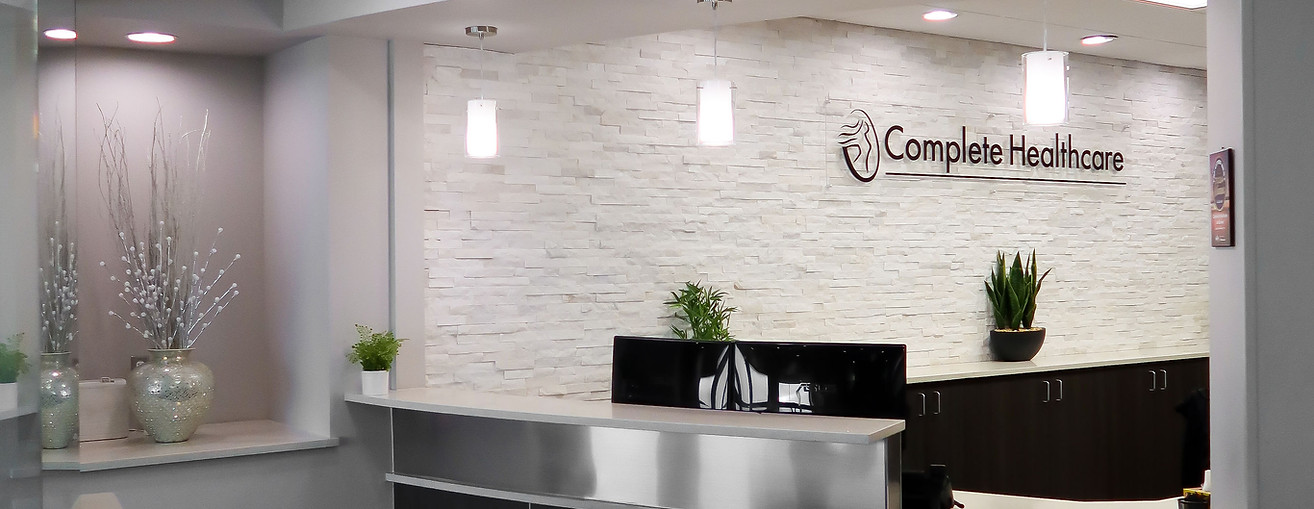
Hormone Replacement Therapy in Richland, WA
During perimenopause and menopause, your production of estrogen and progesterone slows down. This causes the tell-tale symptoms of hot flashes, night sweats, and vaginal dryness. These symptoms can be eased with hormone replacement therapy.
Complete Healthcare for Women has cared for Tri-Cities women since 2009. Estrogen and progesterone therapy is prescribed here and is covered by most insurance plans. Call 509-392-6700 to schedule a consultation.

Does this sound like you?
If you recognize three or more of these, it's worth a conversation.
-
Hot flashes and night sweats
-
Waking at 2–3 a.m. and not falling back asleep
-
Brain fog, or losing your words mid-sentence
-
Exhausted no matter how much you sleep
-
Mood swings, irritability or new anxiety
-
Low libido or vaginal dryness
-
Weight gain that won't respond to anything
-
Irregular or changing periods
The average age of menopause is 51 — but perimenopause often begins in your early 40s, and symptoms can start years before your periods stop.
What estrogen and progesterone can give you back
These are the hormones your body stops making, and replacing them is the most effective treatment there is for what happens next.
Estrogen
Estrogen is the workhorse of menopause treatment and the reason most women feel like themselves again.
-
Hot flashes and night sweats — the most well-established benefit of estrogen therapy, and often the fastest to improve
-
Sleep that isn't interrupted — when the 2 a.m. wake-ups stop, most of the daytime symptoms follow
-
Steadier mood and clearer thinking — less irritability, less of the fog that makes you lose your words
-
Protection against bone loss — estrogen slows the accelerated bone thinning that follows menopause and lowers fracture risk
Progesterone
If you still have your uterus, progesterone is prescribed alongside estrogen — and it does more than one job.
-
Protects the uterine lining — this is why estrogen alone isn't prescribed to women who still have a uterus
-
Helps you sleep — many women find micronized progesterone has a calming effect and improves sleep quality on its own
-
Evens out the transition — particularly useful in perimenopause, when cycles and moods are still swinging
Vaginal estrogen — the symptoms nobody brings up
Dryness. Burning. Intercourse that has become uncomfortable or painful. Urinary urgency and infections that keep coming back. These are among the most common symptoms of menopause and among the most under-treated, because women assume they're permanent or feel awkward raising them.
They are highly treatable. Low-dose vaginal estrogen works locally, right where it's needed, to restore the tissue itself — not just lubricate it. Most women notice a meaningful difference within a few weeks, and it can be used on its own or alongside systemic hormone therapy. It's covered by most insurance plans.
Please raise it at your visit. We ask about it directly, because most women won't.
How hormone therapy is prescribed
Estrogen and progesterone come in several forms. The right one depends on your symptoms, your preferences and how much you want to think about it day to day.
-
Pills — daily; the most familiar option
-
Patches — twice weekly; steady levels with less day-to-day fluctuation
-
Creams — daily; fine dose control and easy to adjust
-
Vaginal preparations — low dose, used locally for vaginal and urinary symptoms
All of this is prescribed here at Complete Healthcare for Women, and estrogen and progesterone therapy is covered by most insurance plans. Your consultation is typically covered as well. Coverage varies by plan, and we'll verify your specific benefits before you start anything.
It starts with one consultation
We sit down and go through what you're experiencing, your health history and your family history, what you've already tried, and how you want to feel. If any testing would be useful, we'll talk about it then. This visit is typically covered by insurance.
Your personalized plan
We build a plan around your symptoms, your health history and your risk profile — which hormones, which delivery method, what dose. You'll understand the benefits and the risks before you start anything.
Follow-up and adjustment
Hormone therapy is not set-and-forget. We check in on how you're actually feeling and adjust as needed. Most women notice meaningful change within the first several weeks.
Call 509-392-6700 to schedule. Ask for a hormone consultation and we'll take it from there.
Testosterone pellets for libido and energy
Estrogen and progesterone handle most of what menopause does to you. When low libido and flat, persistent fatigue are the symptoms that remain, testosterone is often what's missing. Testosterone pellet therapy is available next door at Modern Medical Spa, our sister practice.
What it is
Rice-sized pellets of plant-derived testosterone, customized to you and placed just under the skin in a quick, minimally invasive procedure. They release a steady, low dose over three to six months — no daily step, and none of the peaks and dips that come with shorter-acting forms.
Who it tends to help
-
Libido that hasn't come back, even after starting estrogen
-
Energy that stays flat no matter how well you sleep
-
Women already stable on estrogen and progesterone who still feel like something is missing
-
Women who would rather not think about it between visits
What women report
The most consistent benefit is a return of sexual desire. Many women also describe more energy, better mood stability and sharper mental clarity once levels are steady. Because the dose is released consistently rather than in bursts, the effect tends to feel even rather than up-and-down.
What you should know first
Testosterone pellet therapy isn't right for everyone, and it does require follow-up. We check in on how you're feeling and adjust before each insertion. It also needs a full evaluation up front — your history, your risk factors and any medications or supplements you're taking.
Where it happens, and what it costs. The procedure is performed at Modern Medical Spa, located right next door at 1045 Jadwin Avenue. Because pellet therapy is elective, it isn't billed through insurance, and payment is due at the time of the procedure — but it is an eligible expense under most HSA and FSA plans, so you can cover it with pre-tax dollars. Your consultation and follow-up care stay here with your provider.
An independent practice, not a hormone clinic

Richard Lorenzo, DO — OB/GYN
Board-certified obstetrician and gynecologist, and founder of Complete Healthcare for Women. Caring for Tri-Cities women since 2009.

Kortney Jones, ARNP
Advanced registered nurse practitioner focused on women's health, menopause management and hormone therapy.

Teresa Mendoza, FNP
Family nurse practitioner providing primary care and women's health services across every stage of life.
Serving Richland, Kennewick, Pasco and the Tri-Cities
Complete Healthcare for Women is located at 1045 Jadwin Avenue in Richland, WA. We see women for hormone therapy, menopause and perimenopause care from throughout the Tri-Cities — Richland, Kennewick, Pasco, West Richland, Benton City and the surrounding communities.
Call 509-392-6700 to schedule a hormone consultation.
The information on this page is for general education and is not a substitute for medical advice. Hormone therapy is not appropriate for everyone and individual results vary. HSA and FSA eligibility depends on your plan — confirm with your plan administrator. Please discuss your personal health history, risks and benefits with your provider before beginning any treatment.
Common questions about hormone therapy
What is hormone replacement therapy?
During perimenopause and menopause, your body's production of estrogen and progesterone slows down. Hormone replacement therapy corrects that imbalance by replacing the hormones you're no longer making — using either synthetic or bio-identical hormones, depending on what's right for you.
Why would I need hormone therapy?
When your hormones fluctuate in the years before your periods stop, hormone therapy can level things out, so you experience fewer mood swings, hot flashes, mental fog and vaginal dryness. Correcting the imbalance can also improve your energy and how you feel overall.
Women who have a hysterectomy before menopause experience what's called "surgical menopause" and may also benefit. Whether after hysterectomy or natural menopause, hormone replacement offers possible protection against heart disease, unexplained weight gain and osteoporosis.
Am I a good candidate?
Women who benefit most are those with menopausal symptoms significant enough to interfere with daily life. You may also want to consider it if you have a family history of osteoporosis.
Women who've had a hysterectomy usually do well with estrogen-only therapy. If you're going through natural menopause, a combination of estrogen and progesterone is generally appropriate — taking estrogen alone increases the risk of cancer of the uterine lining, and adding progesterone reduces that risk.
The honest answer is that this is what the first appointment determines.
Can vaginal estrogen help with dryness and painful intercourse?
Yes — and this is one of the most under-treated symptoms of menopause, mostly because women don't bring it up. Dryness, burning, discomfort with intimacy and recurring urinary symptoms are all common, and all highly treatable.
Low-dose vaginal estrogen works locally, restoring the tissue itself rather than simply lubricating it. Most women notice a meaningful difference within a few weeks. It can be used on its own or alongside systemic hormone therapy, and it's covered by most insurance plans.
When should I start — and how long can I stay on it?
The average age of menopause is 51, but many women begin the transition considerably earlier or later. The right time to consider therapy is when you start having symptoms that interfere with your life — not before.
As for how long: there's no arbitrary stop date. Duration is individualized and revisited with you at each follow-up, based on your symptoms, your risk factors and how you're doing. It's a conversation that continues, not a countdown clock.
How do you take hormones?
Estrogen and progesterone are prescribed here as pills, patches or creams, and vaginal estrogen comes as a low-dose preparation used locally. Which is best depends on your symptoms and your lifestyle, and we'll work through it together at your visit.
Testosterone pellets are a separate option for libido and energy, placed under the skin every three to six months at Modern Medical Spa next door.
What are testosterone pellets, and do I need them?
Testosterone pellets are used primarily for low libido and persistent low energy — usually when estrogen and progesterone have taken care of the hot flashes and sleep but desire and energy still haven't come back.
Most women don't start here. Estrogen and progesterone handle the majority of menopause symptoms and are covered by insurance. Testosterone pellets are an additional option, performed at Modern Medical Spa next door, and we'll only suggest them if they fit what you're actually experiencing.
Are there risks?
Yes, and we'll talk about them openly. Women with a heightened risk of breast cancer or a history of blood clots should not use hormone therapy. Hormone therapy can increase some women's risk of breast cancer, heart disease and stroke. If you aren't experiencing menopausal symptoms, the therapy isn't necessary.
This is exactly why we start with a full history and evaluation — so your plan is built around your individual risk profile rather than a template. For many women the benefits outweigh the risks, but that's a determination we make together.
Will my insurance cover this?
Your consultation is typically covered, as are most standard forms of hormone therapy. Coverage varies by plan, and we'll verify your specific benefits.
Bio-identical pellet therapy is the exception: it's considered elective, so it's billed directly rather than through insurance, with payment due at the time of service. It is, however, an eligible expense under most HSA and FSA plans — so if you have one, you can pay for it with pre-tax dollars. Check with your plan administrator to confirm.
Do you see patients from Kennewick and Pasco?
Yes. We're located at 1045 Jadwin Avenue in Richland and see women from throughout the Tri-Cities — Kennewick, Pasco, West Richland, Benton City and the surrounding communities.