



Top 5 Supplements to Support Women’s Hormonal Health
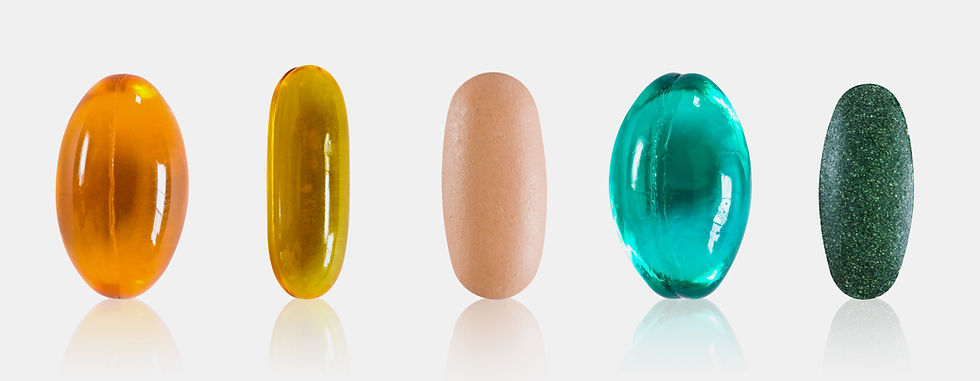
Hormonal balance is critical in every stage of a woman’s life—from menstrual health to menopause. At Complete Healthcare in Richland, WA, we believe that lifestyle, nutrition, and targeted supplementation can help women feel more energized, focused, and hormonally balanced.
If you're struggling with fatigue, irregular periods, mood changes, or menopause symptoms, supporting your body with the proper nutrients may be part of the solution. We frequently recommend five evidence-based supplements to help support women’s hormonal health.
1. Magnesium Glycinate: Calm, Sleep, and PMS Relief
Many women are unknowingly deficient in magnesium, a mineral involved in over 300 biochemical processes in the body. The glycinate form is highly absorbable and gentle on the stomach.
Benefits:
Helps regulate estrogen and progesterone
Reduces PMS symptoms such as cramping, irritability, and breast tenderness
Promotes better sleep and stress relief
Eases perimenopausal anxiety and tension
Recommended dose: 200–400 mg daily, ideally taken in the evening.
2. Vitamin D3: The Hormone-Like Vitamin
Often called the “sunshine vitamin,” vitamin D3 is technically a hormone precursor. It plays a vital role in menstrual regularity, mood, bone health, and immune support. Many women in Southeastern Washington, especially during the fall and winter, are at risk for low vitamin D levels.
Benefits:
Supports estrogen and progesterone production
Helps prevent osteoporosis by aiding calcium absorption
Enhances immune function and mood stability
May reduce the risk of PCOS-related insulin resistance
Recommended dose: 1,000–2,000 IU/day, with testing to guide appropriate dosing.
3. Omega-3 Fatty Acids: Hormonal Inflammation Control
Omega-3s, particularly from fish oil (EPA and DHA), help reduce systemic inflammation—a key factor in hormone-related conditions like PCOS, endometriosis, and menstrual pain.
Benefits:
Supports healthy cell membranes for hormone receptor function
Reduces inflammation and cramps during menstruation
Balances mood and brain function, especially during perimenopause
Helps regulate insulin sensitivity and reduce androgen excess in PCOS
Recommended dose: 1,000–2,000 mg of combined EPA/DHA daily.
4. B-Complex Vitamins: Energy and Hormone Metabolism
The B vitamin family (especially B6, B12, and folate) plays a central role in hormone detoxification, energy production, and nervous system health. B vitamins are particularly helpful during times of stress, menstrual irregularity, or birth control use.
Benefits:
B6 supports progesterone balance and reduces PMS symptoms
Folate and B12 are essential for fertility and pregnancy
B vitamins assist the liver in detoxifying estrogen
May help reduce fatigue and brain fog
Recommended dose: A balanced B-complex supplement taken daily with food.
5. DIM (Diindolylmethane): Estrogen Metabolism Support
DIM is a compound naturally found in cruciferous vegetables like broccoli and cauliflower. It helps your body metabolize estrogen into its protective, non-dominant form. Women with symptoms of estrogen dominance—such as bloating, mood swings, breast tenderness, or heavy periods—may benefit from DIM.
Benefits:
Balances estrogen metabolism
May reduce symptoms of PMS and perimenopause
Supports breast and uterine health
Works well alongside lifestyle or HRT plans
Recommended dose: 100–200 mg daily, under the guidance of your provider.
Personalized Supplement Guidance at Complete Healthcare
While these supplements are generally safe, the correct dosage and combination depend on your age, health status, hormone levels, and symptoms. At Complete Healthcare, we offer personalized evaluations to help you determine:
Which supplements are appropriate for your needs
How they interact with your medications or hormone therapy
Whether lab testing (such as vitamin D levels or thyroid panels) is needed
What brands or formulations are most effective
Common Signs of Hormone Imbalance in Women
If you’re experiencing any of the following, it may be time to schedule a visit:
Fatigue or poor sleep
Mood swings or anxiety
Weight changes or bloating
Irregular periods or heavy bleeding
Brain fog or forgetfulness
Low libido or vaginal dryness
Our team can help you explore natural and medical solutions, from supplementation to bioidentical hormone therapy.
Support Your Hormones Naturally
Feeling balanced, strong, and focused isn’t just a dream—it’s achievable with the right support. Whether you're approaching perimenopause, managing PCOS, or want to optimize your energy, we're here to help.
Call 509-392-6700 to schedule your consultation today.
Complete Healthcare – Women’s health and wellness care in Richland, WA


